
Skip to content
1 / 8
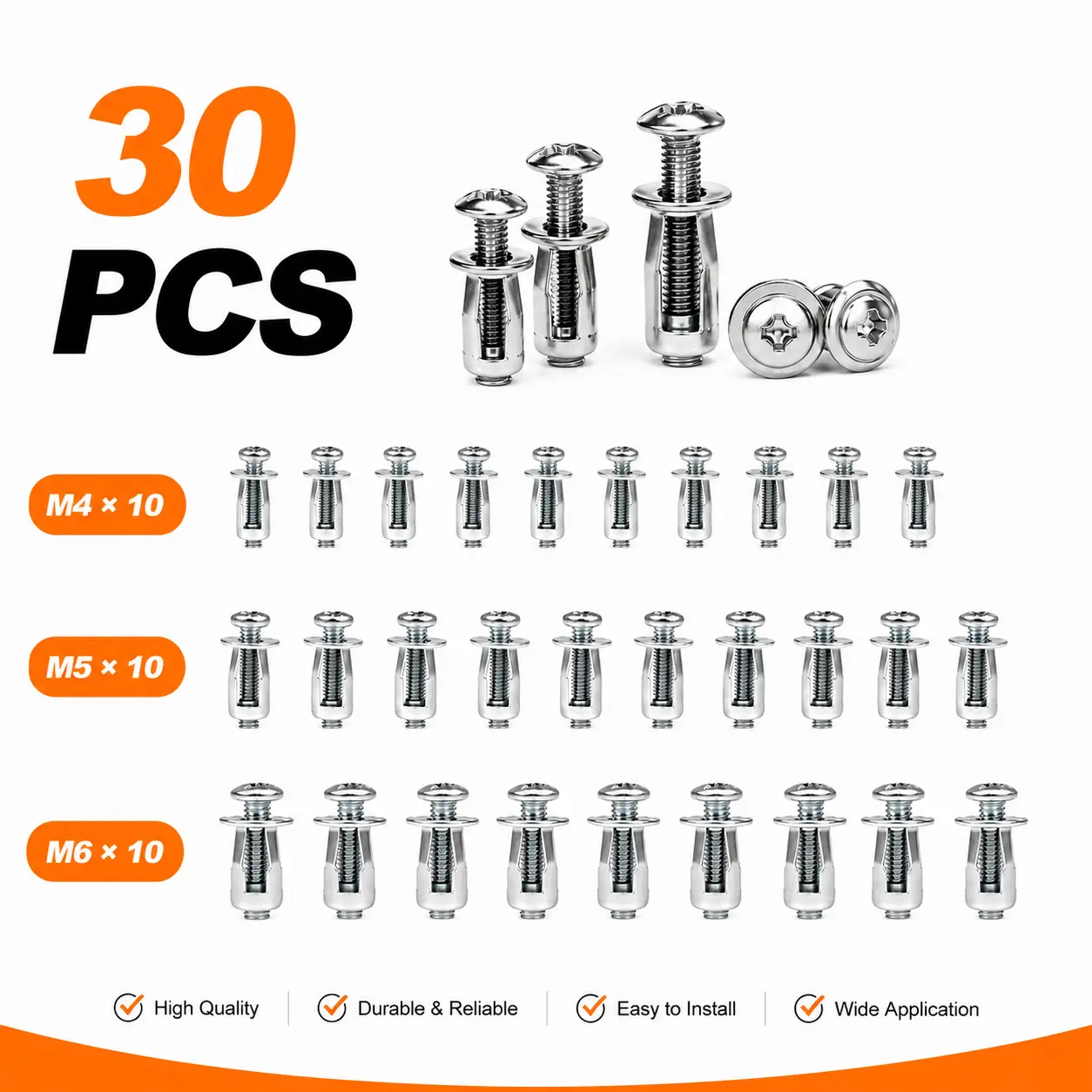
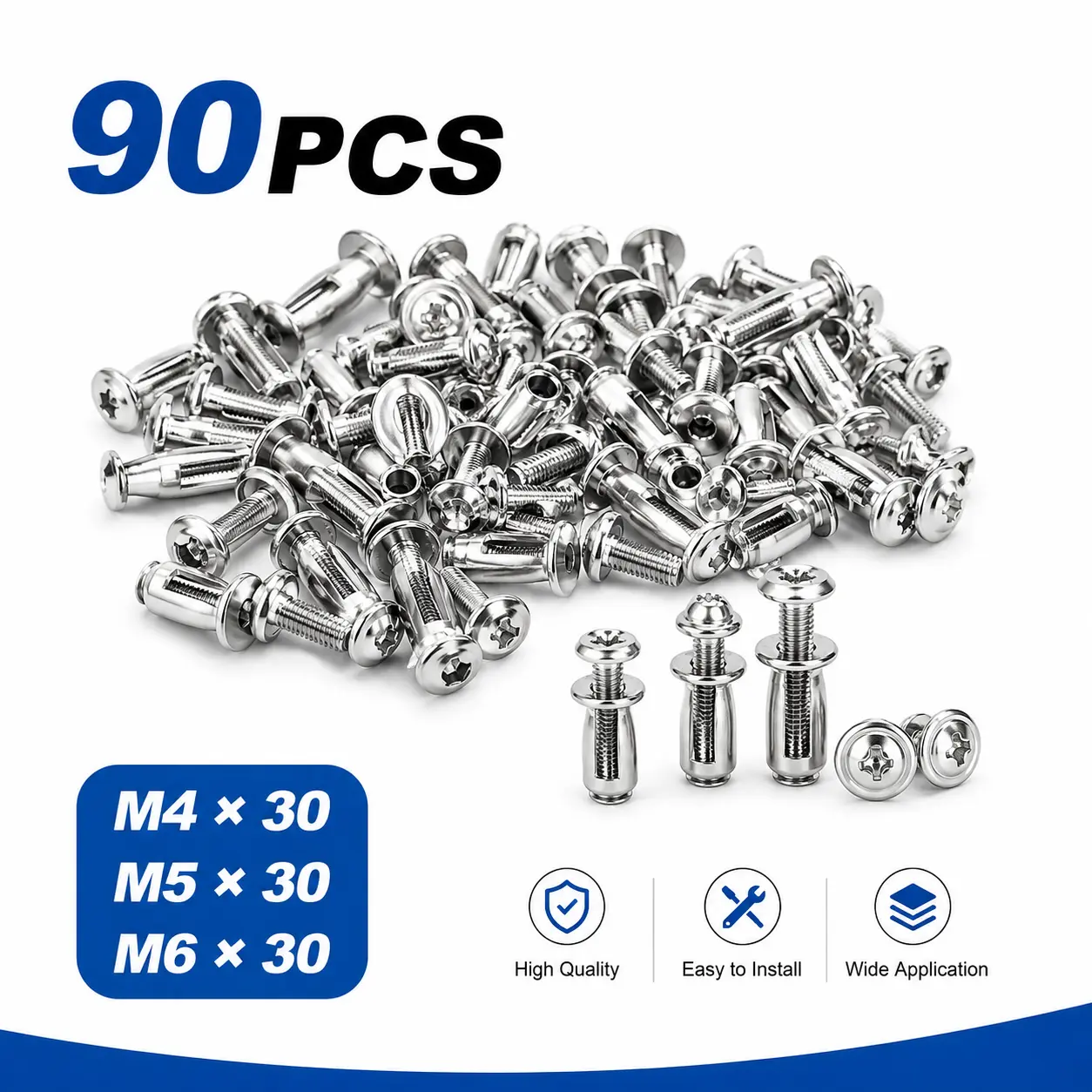
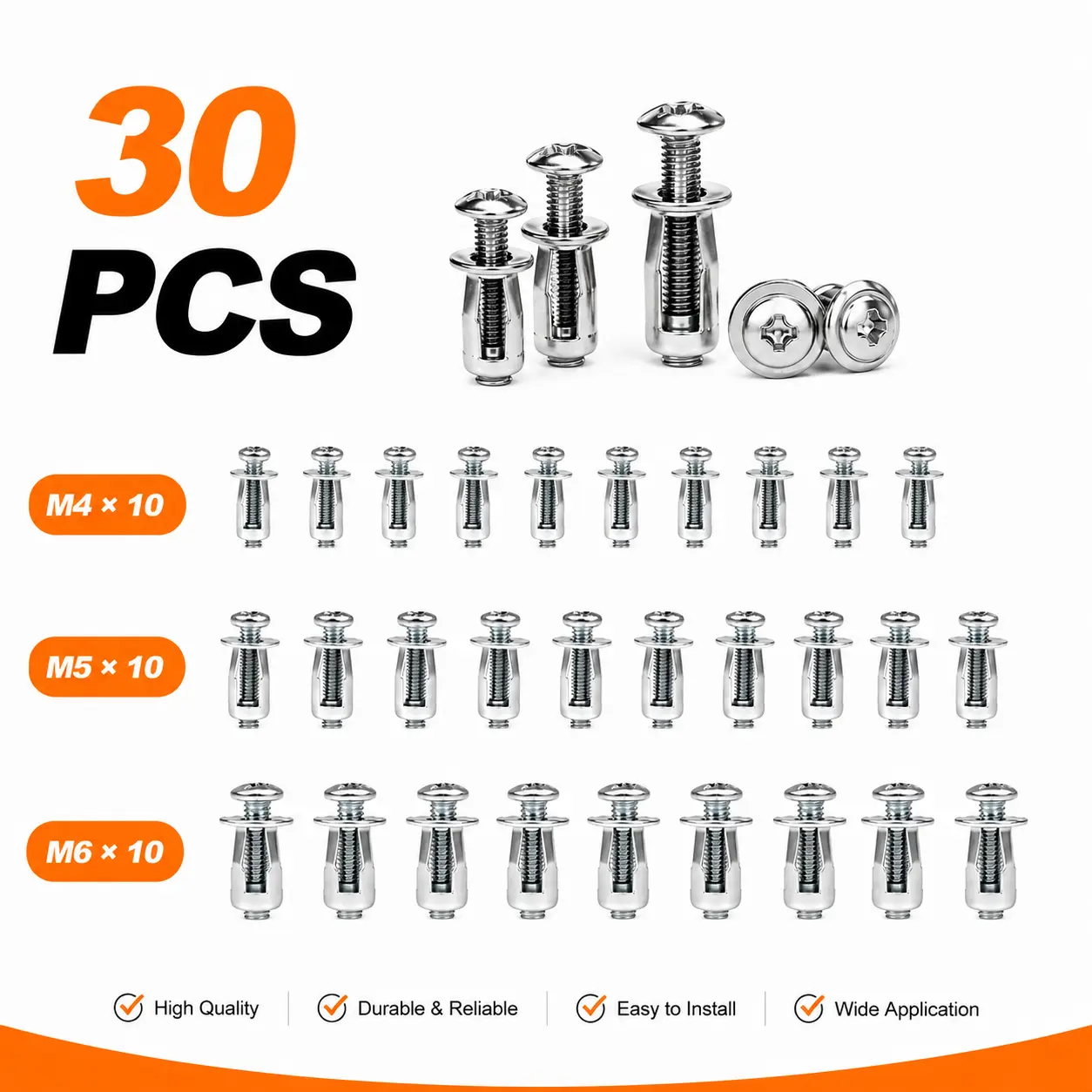
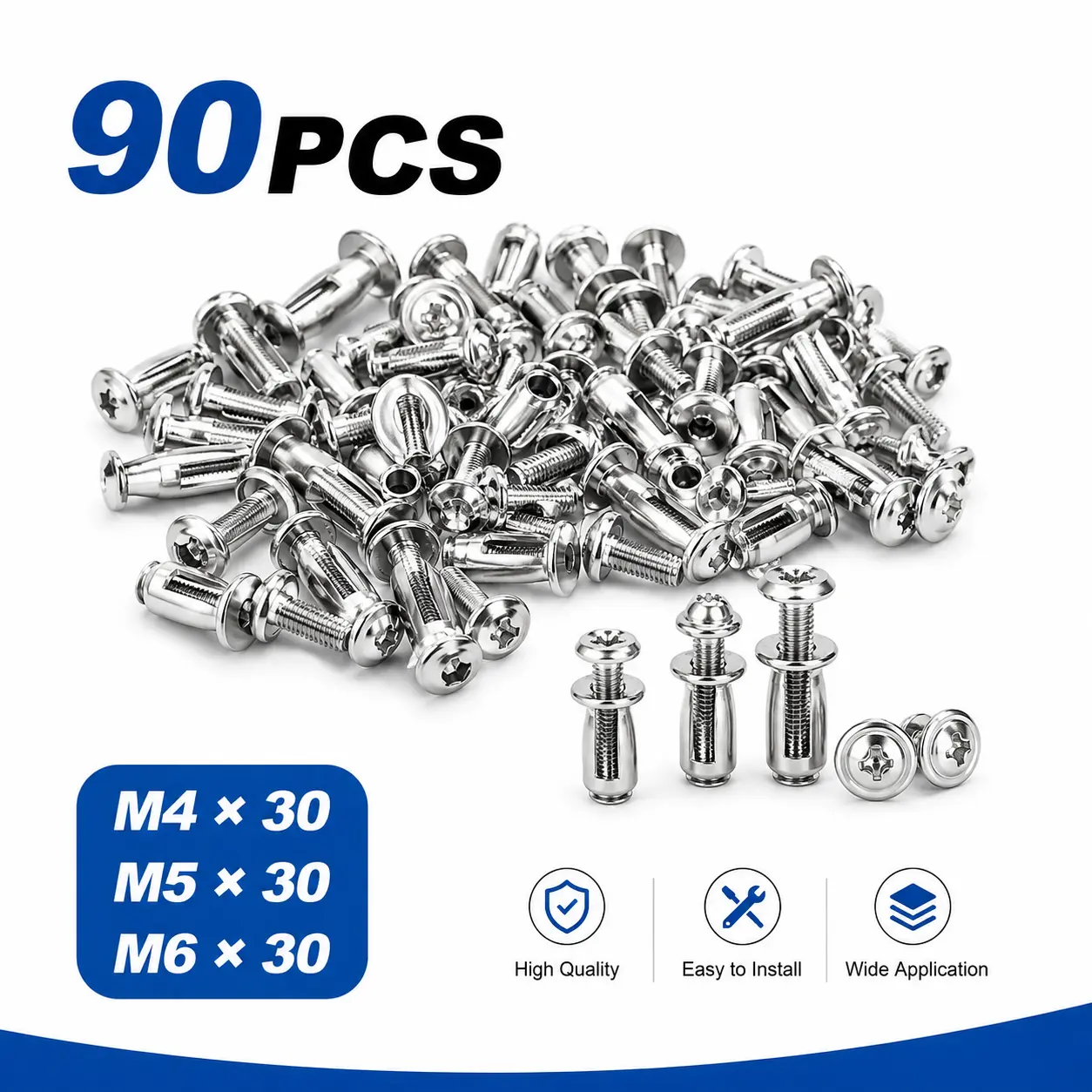
30Pcs/90Pcs Heavy-Duty Carbon Steel Button Rivet Locking Nuts Set
$17.99 USD $59.96 USD
  • Free worldwide shipping

  • Free returns

  • Carbon neutral

  • Secure payments

Style
Quantity
METAL HOLLOW-WALL EXPANSION ANCHORS

No Access Behind the Panel? Let the Anchor Grip From the Other Side.

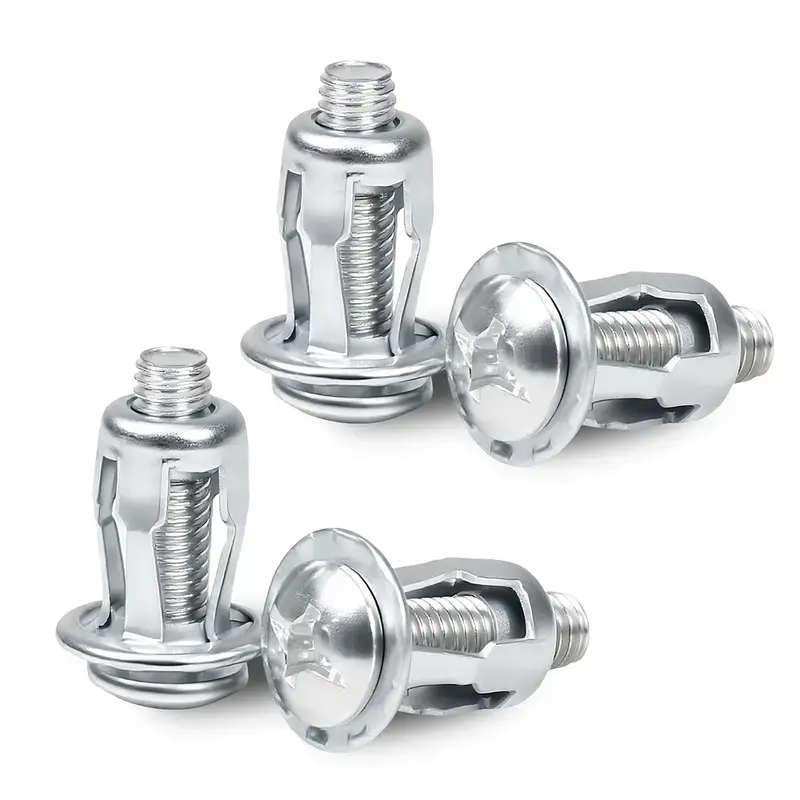
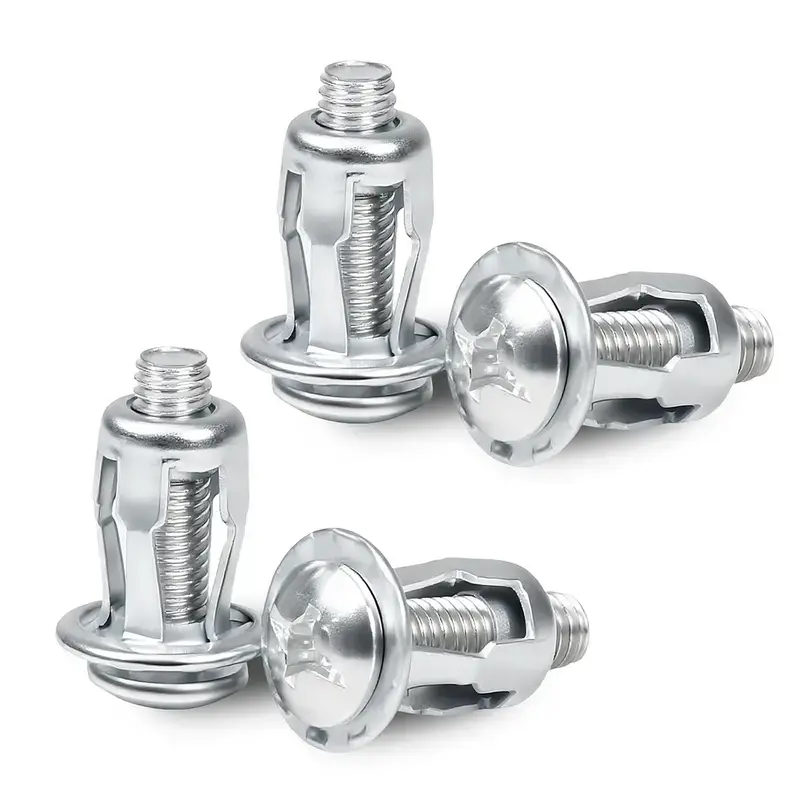
Designed for compatible hollow and thin-panel installations, the metal anchor expands behind the mounting surface as it is tightened—creating a broader mechanical grip than a standard screw alone.

Metal Expansion Body Mechanical Back-Side Grip Multiple Sizes Panel Mounting
Choose the anchor size according to hole diameter, panel thickness and the item being mounted.
Metal hollow wall expansion anchors
MORE THAN A SCREW IN A HOLE

The Anchor Expands Behind the Panel as You Tighten It.

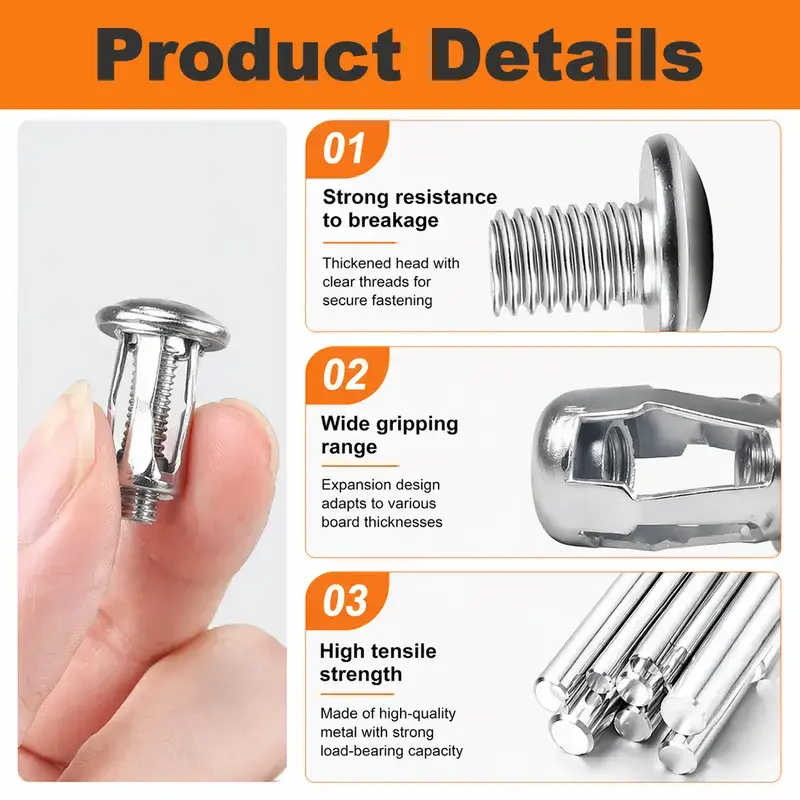
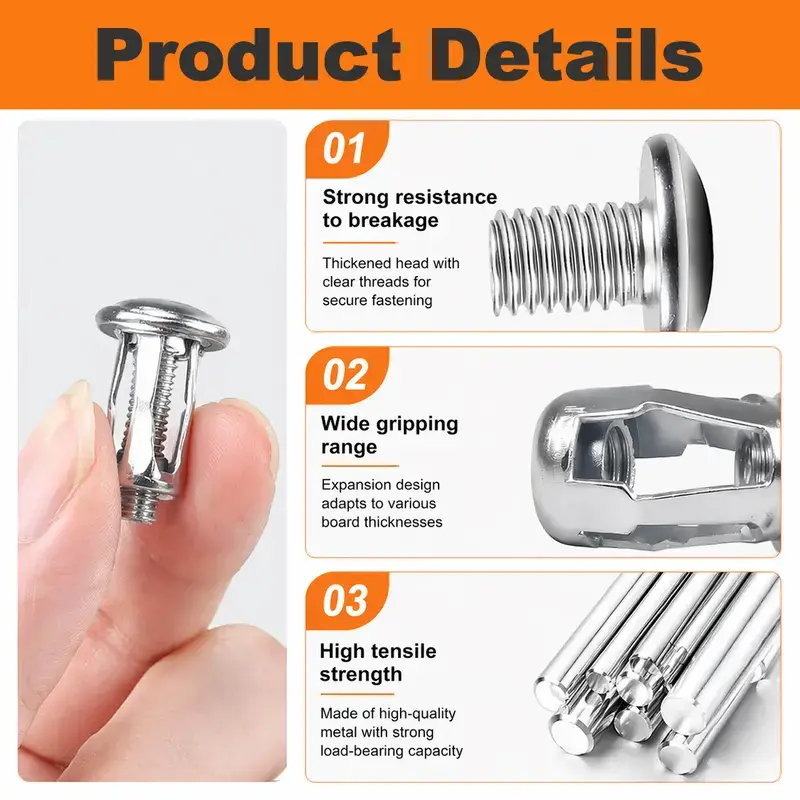
Instead of relying only on the edge of a drilled hole, the metal body is designed to deform and open behind the panel, helping create a wider clamping area.

🔩
Metal Body Rigid expansion structure designed for compatible panel installations.
↔️
Back-Side Expansion Tightening pulls the anchor body outward behind the mounting surface.
🧱
Panel Friendly Intended for suitable hollow or relatively thin structural panels.
📏
Multiple Sizes Choose a size that matches both the hole and panel thickness.
Metal expansion anchor product details
BUILT AROUND A SIMPLE MECHANICAL PRINCIPLE

Threaded Screw + Expanding Metal Sleeve.

The screw passes through the metal anchor body. As the assembly is tightened, the sleeve is pulled and deformed so the outer sections can grip behind a compatible panel.

Threaded Fastener Machine-style screw provides controlled tightening through the anchor.
Expandable Sleeve Slotted metal body is designed to open as the screw is tightened.
Wide Front Flange Front washer/flange helps seat the anchor against the visible surface.
Mechanical Fixing Uses physical expansion rather than relying only on adhesive.
The supplied images describe the product as metal with high tensile strength, but no verified load rating is shown. Actual holding capacity depends heavily on the mounting surface, thickness, anchor size and installation quality.
WHAT HAPPENS BEHIND THE PANEL

Tighten the Screw. Expand the Anchor. Clamp the Panel.

The visible screw stays at the front while the anchor body changes shape behind the panel, creating the mechanical retention.

01 Inserted

The collapsed anchor body passes through the prepared hole.

02 Tightened

The screw begins pulling the inner threaded section toward the front.

03 Expanded

The slotted metal walls deform outward behind the panel.

04 Clamped

The expanded anchor and front flange grip opposite sides of the panel.

FOUR BASIC STEPS

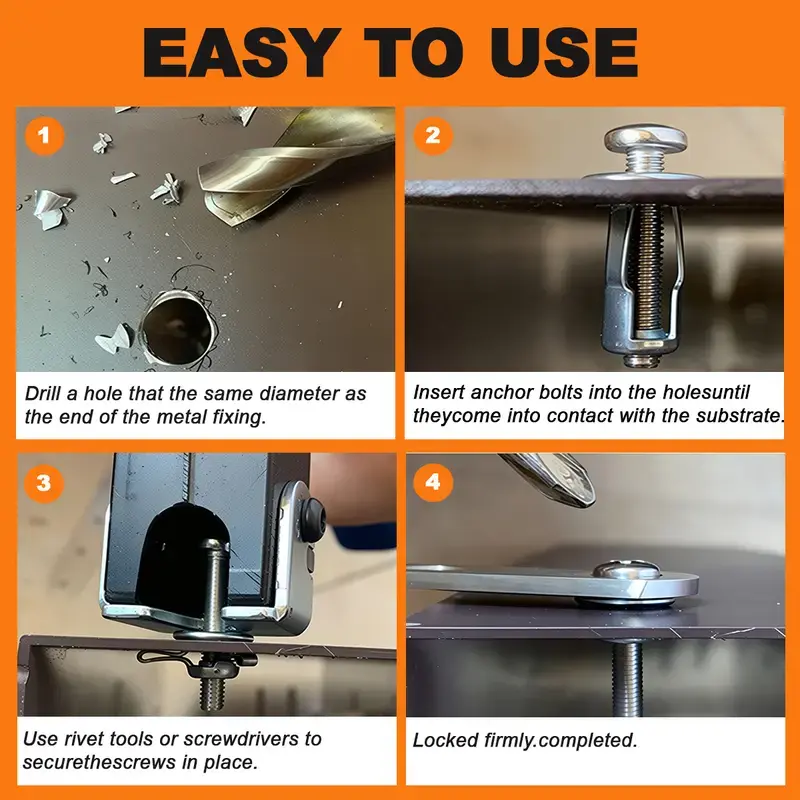
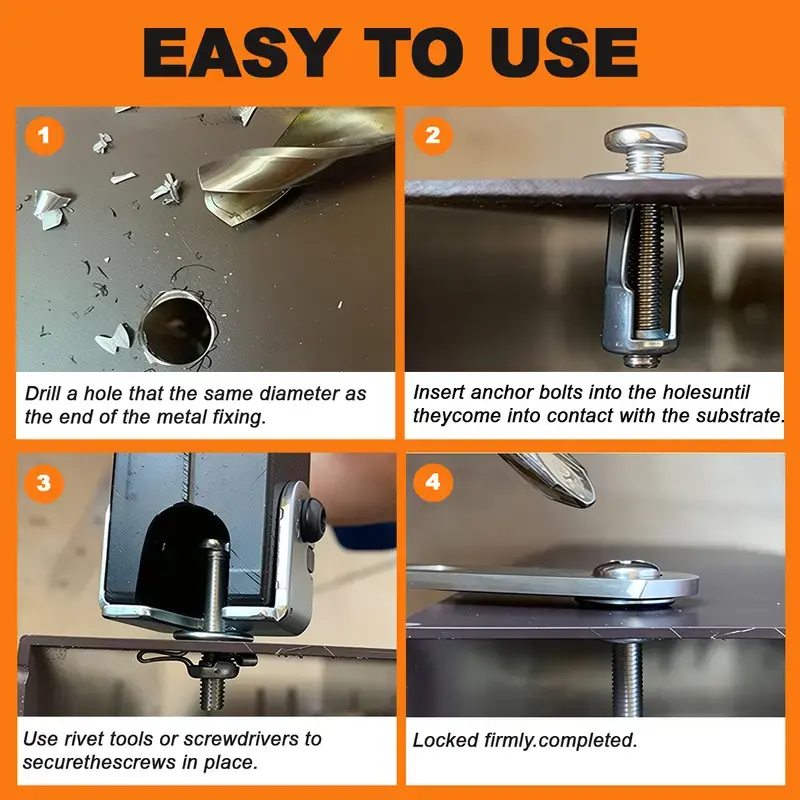
Drill. Insert. Set. Tighten.

Correct hole size and anchor selection matter. A hole that is too large or an anchor that is wrong for the panel thickness may not grip correctly.

01
Prepare the Hole

Drill the correct diameter for the exact anchor size being installed.

02
Insert the Anchor

Push the collapsed metal body through until the front flange sits against the surface.

03
Set the Expansion

Use the appropriate setting tool or tightening method for the exact fastener.

04
Secure the Fixture

Tighten to a secure fit without crushing or damaging the panel.

Do not overtighten. Excessive torque can deform thin material, strip threads or damage gypsum board and other fragile panels.
How to install hollow wall expansion anchors
Metal expansion anchor dimensions
SIZE MATTERS

Choose the Anchor That Matches Your Panel and Hole.

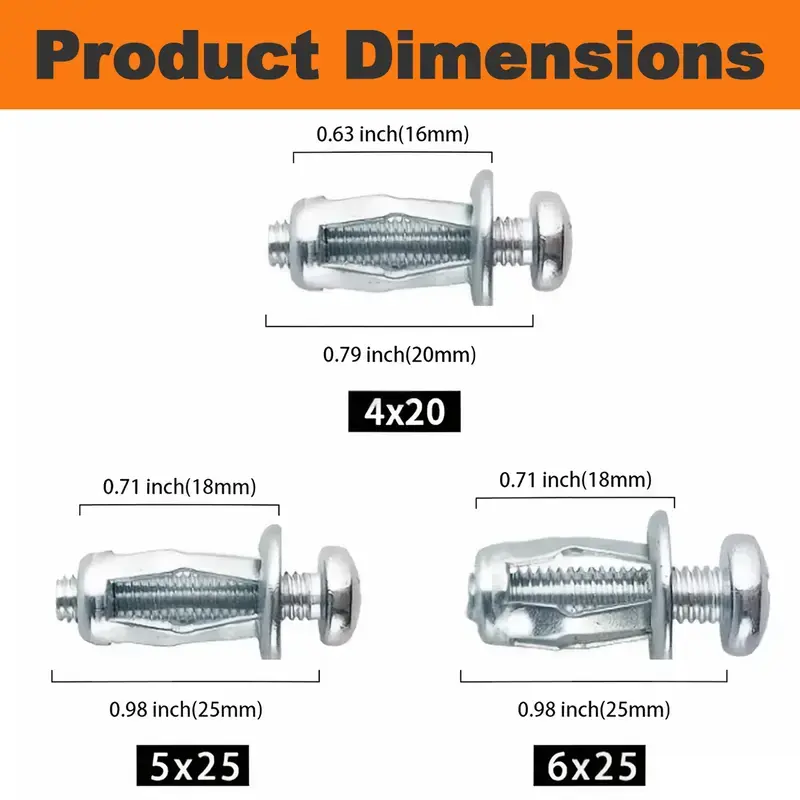
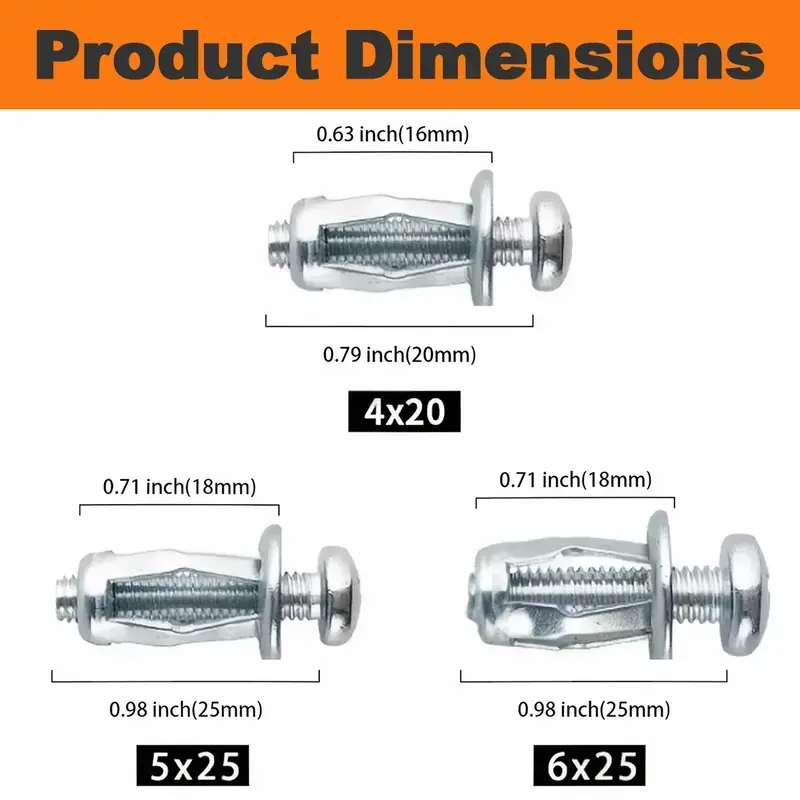
The supplied size chart shows three variants: 4×20, 5×25 and 6×25. Always match the exact anchor dimensions to the material and required installation.

SIZE 4 × 20 Approx. 20 mm overall reference length shown
SIZE 5 × 25 Approx. 25 mm overall reference length shown
SIZE 6 × 25 Approx. 25 mm overall reference length shown
The size labels shown in the supplier image should be confirmed against your exact variant/SKU before publishing. Hole size is not interchangeable between sizes.
FOR SUITABLE PANEL STRUCTURES

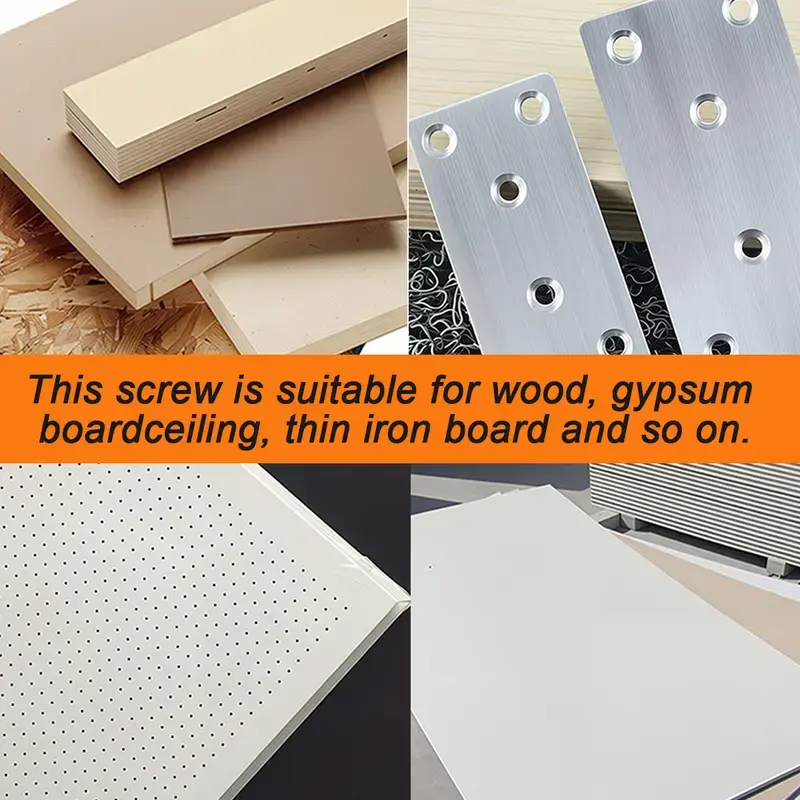
Useful Where a Conventional Nut Behind the Panel Is Hard to Reach.

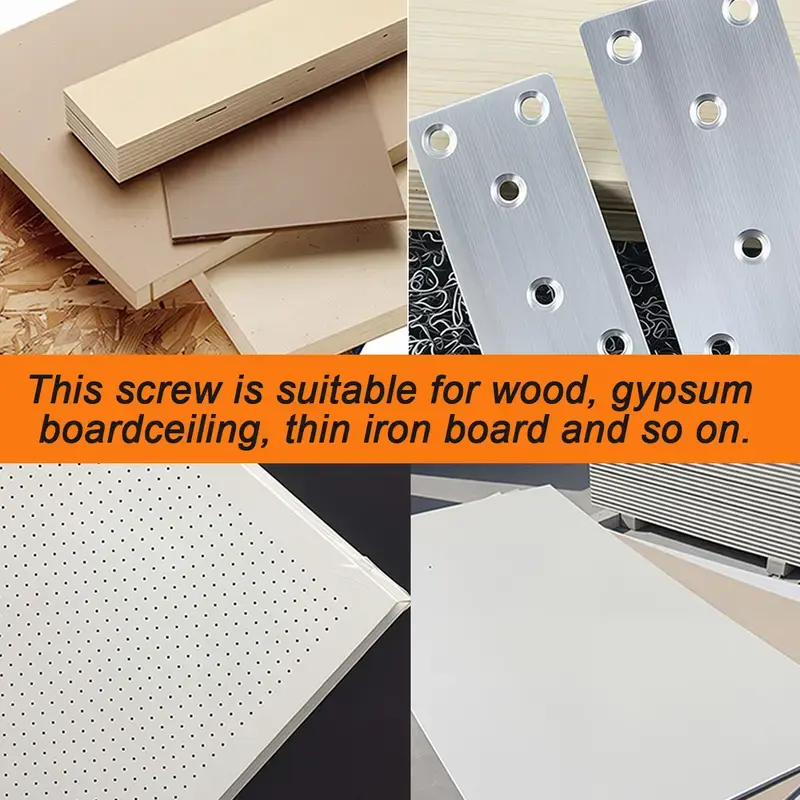
The supplier imagery presents the anchors for several board and thin-panel applications. Compatibility still depends on the exact material, thickness and whether there is adequate hollow space behind it.

🧱
Gypsum Board Potential use in suitable plasterboard / drywall structures when properly sized.
🪵
Board Materials Supplier imagery shows selected wood-based sheet applications.
🔩
Thin Metal Panels May be suitable where the hole and panel thickness match the anchor.
🏠
Ceiling / Panel Work Only where the substrate and load are appropriate for this type of fixing.
Important: Do not assume every wall, ceiling or wood product is suitable. Structural loads, overhead installations and safety-critical fixtures require an anchor specifically rated for the substrate and load.
Materials suitable for expansion anchors
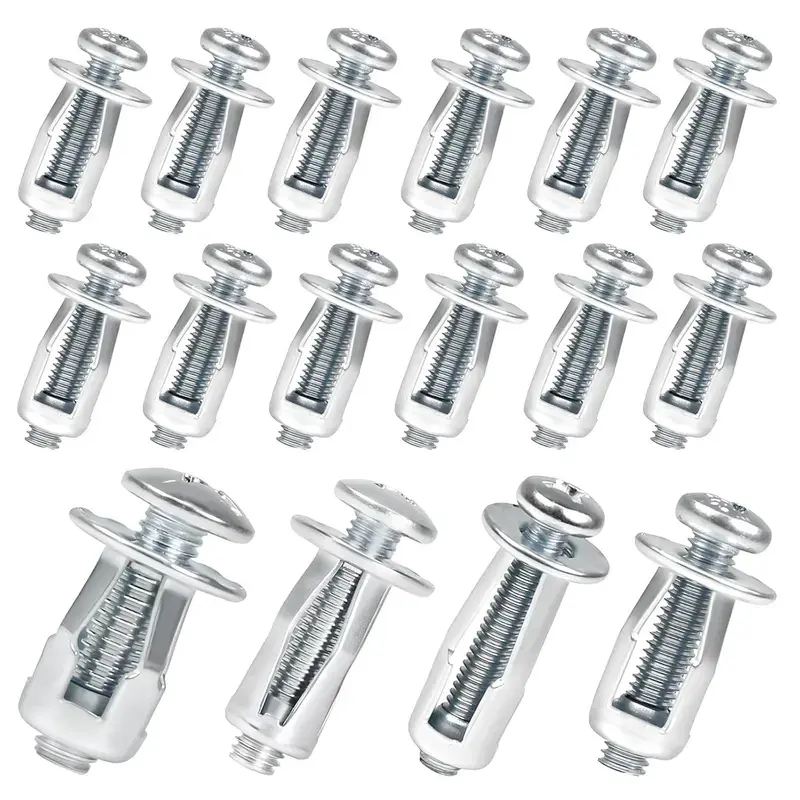
A COMPACT METAL FIXING SYSTEM

Small Hardware. Multiple Working Parts.

The screw, threaded section, slotted expansion body and front flange work together as one mechanical fixing assembly.

01

Screw Head

Provides the drive point used to tighten and secure the installation.

02

Threaded Core

Converts tightening rotation into pulling force through the anchor body.

03

Expansion Arms

Slotted metal sections spread behind the mounting surface.

04

Front Flange

Helps keep the front of the fixing seated against the panel.

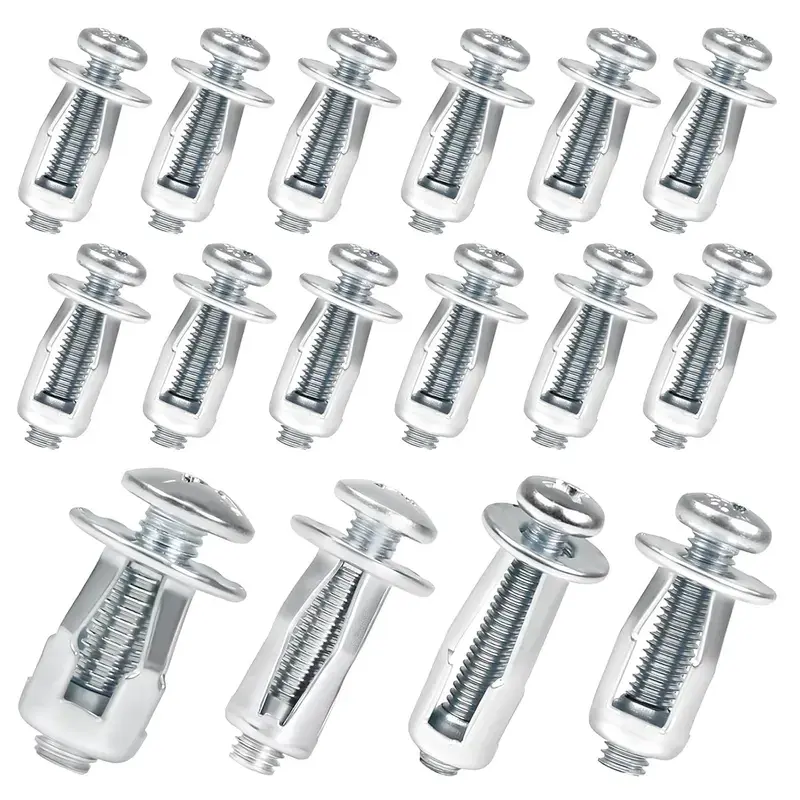
Pack of metal hollow wall expansion anchors
KEEP A FEW READY FOR THE NEXT PROJECT

Useful Hardware for Repairs, Mounting and DIY Projects.

Keep compatible anchor sizes together so you can choose the right fastener for different panel thicknesses and mounting jobs instead of forcing one size into every installation.

Repair Jobs Replace unsuitable or worn panel fixings where the new anchor is compatible.
DIY Mounting Useful for selected brackets, panels and light fixtures within appropriate load limits.
Workshop Stock Store several sizes so the fixing can be matched to the job.
A GOOD INSTALLATION STARTS BEFORE YOU DRILL

Check These Four Things First.

1 Panel Material

Confirm the substrate is suitable for a hollow-wall expansion fixing.

2 Panel Thickness

The anchor must have enough room to expand correctly behind the surface.

3 Hole Diameter

Too small will prevent insertion; too large can reduce grip.

4 Required Load

Use only a fixing with a verified rating appropriate for the intended load.

⚠️
Do Not Use an Unrated Anchor for Safety-Critical or Heavy Loads

These product images do not provide a verified load rating. Do not use the anchors for televisions, overhead loads, grab bars, structural elements, safety equipment or other high-consequence installations unless the exact fastener is independently specified and rated for that application.

GOOD TO KNOW

Quick Questions

What type of fastener is this?
It is a metal expansion-style anchor intended for compatible hollow or thin-panel installations. Tightening the screw causes the metal body to expand behind the panel.
What sizes are shown?
The supplied product image lists 4×20, 5×25 and 6×25 variants. Confirm that these labels match your exact selling options before publishing.
What drill size should I use?
Use the hole diameter specified for the exact anchor size. Do not guess based only on screw diameter because the outer expansion body also has to pass through the hole.
Can I use it in drywall / gypsum board?
The supplier imagery shows gypsum board as an intended application, but the board thickness, condition, required hollow space and load must all be appropriate.
Can it be used in solid concrete?
This expansion mechanism is designed around opening behind a panel. Solid masonry generally requires a fastener specifically designed and rated for masonry rather than a hollow-wall anchor.
Do I need a special installation tool?
Some metal hollow-wall anchors can be set with dedicated anchor-setting pliers, while others may also be tightened using the supplied screw depending on the design. Follow the installation method specified for your exact product.
How much weight can it hold?
No verified load capacity is shown in the supplied images, so a specific weight should not be claimed. Capacity depends on anchor size, panel material, thickness, installation quality and load direction.
Can I reuse the anchor?
Once the metal expansion body has been permanently deformed behind the panel, it should generally be treated as an installed fixing rather than a repeatedly reusable anchor.
Why is the anchor spinning instead of tightening?
Possible causes include an oversized hole, unsuitable panel thickness, incorrect anchor size, damaged substrate or failure of the anchor body to engage properly. Stop tightening and inspect the installation rather than continuing to spin it.
🔩 → ↔️ → 🧱

Drill Once. Expand Behind. Secure the Panel.

Match the anchor to your hole and panel thickness, install it correctly, and create a mechanical fixing where access behind the surface is limited.

Cart

loading